

From Doubt To Clarity
Order your DNA Siblingship Test Today!
DNA Siblingship Test for Biological Brotherhood/Sisterhood
Introducing Siblingship Testing
This is a DNA-based test used to determine whether two individuals share one or both parents. This test is commonly used when individuals suspect they may be siblings but are unsure about their biological relationship.
In a siblingship test, DNA samples are collected from the two individuals who are believed to be siblings. The DNA profiles of these individuals are then compared to see how closely they match. Since full siblings share approximately 50% of their DNA, the test looks for similarities in the genetic markers present in their DNA profiles.
The results of a siblingship test can provide evidence of whether the two individuals are likely to be full siblings, half-siblings (sharing one biological parent), or unrelated. However, it’s important to note that a siblingship test cannot determine which parent the siblings share or provide information about other relatives.
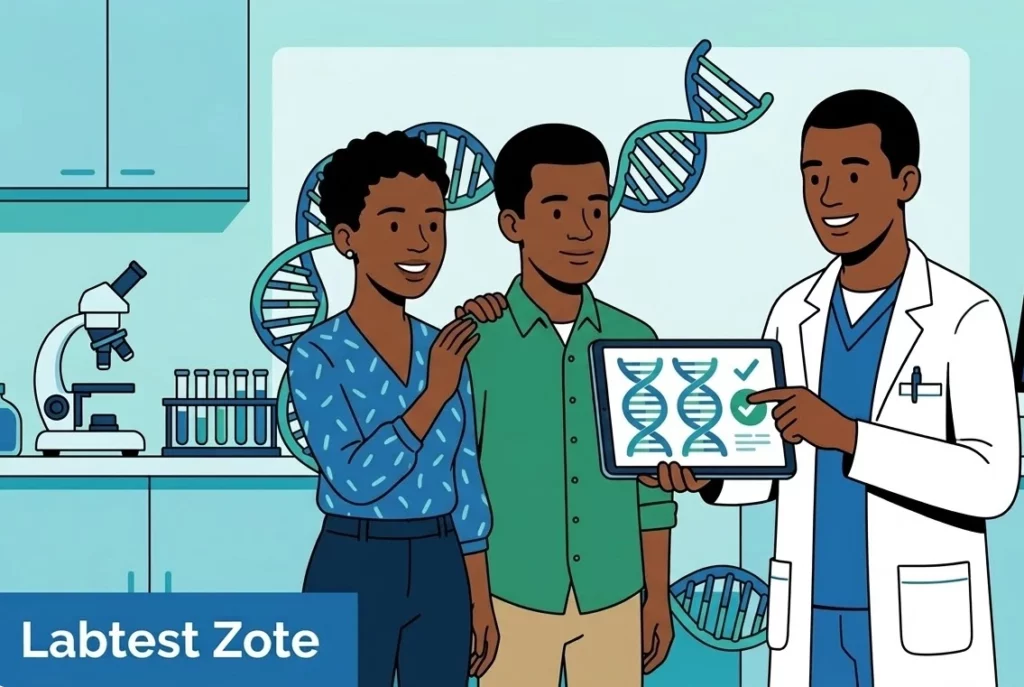
Why is sibling testing done?
Sibling testing is done to determine whether individuals share one or both parents. Here are some common reasons why sibling testing may be conducted:
🧬Confirmation of Sibling Relationship:
Sibling testing can confirm whether individuals are full siblings (sharing both biological parents) or half-siblings (sharing one biological parent).
🧬Inheritance and Legal Purposes:
In cases where there is a dispute over inheritance or legal rights, sibling testing can help establish the biological relationship between individuals and determine their entitlements.
🧬Immigration and Citizenship:
Sibling testing may be required for immigration or citizenship purposes when individuals are seeking to establish a biological relationship with siblings for immigration or citizenship applications.
🧬Adoption or Family Reunification:
In situations involving adoption or family reunification, sibling testing can help verify biological relationships and facilitate reunions or legal proceedings.
🧬Medical Reasons:
Sibling testing may be conducted for medical reasons, such as when individuals are seeking compatible organ donors or investigating genetic diseases that may be inherited from shared biological parents.
🧬Informational or Personal Reasons:
Some individuals may choose to undergo sibling testing out of curiosity or to satisfy a desire to learn more about their genetic heritage and familial relationships.
What to expect when testing for Siblingship?
Siblingship testing is a fairly straightforward process. Here are simple processes to follow:-
1️⃣Sample Collection
Typically, DNA samples are collected from individuals who are believed to be siblings. This is commonly done using buccal (cheek) swabs, where a sterile swab is rubbed on the inside of the cheek to collect cells. Blood samples can also be used, but are less common due to their invasive nature.
2️⃣Privacy and Confidentiality
The laboratory conducting the test will adhere to strict privacy and confidentiality protocols to protect your personal information and the results of the test.
3️⃣DNA Analysis
The DNA samples collected from the individuals are analyzed to determine genetic similarities and differences. Specific genetic markers or loci are examined to assess the likelihood of siblingship.
4️⃣Comparison
The genetic profiles of the individuals are compared to determine the degree of genetic similarity. This comparison helps establish whether the individuals are likely to be full siblings, half-siblings, or unrelated.
5️⃣Interpreting the Results
Once the analysis is complete, you’ll receive the results of the siblingship test. The results will indicate the probability of siblingship based on the genetic analysis conducted.
If the results indicate a high probability of siblingship, it suggests a close biological relationship between the individuals tested. If the probability is lower, it may indicate a more distant or unrelated relationship.
More Articles In The DNA Testing Series

Vital Role Of DNA Maternity Testing In Kenya
From Doubt To ClarityOrder your DNA Maternity Test Today! BooK NOW Introduction To DNA Maternity Testing…
What Are The Key Differences Between Peace of Mind And Court Ordered DNA Paternity Tests?
Introduction to peace of mind Vs legal DNA Paternity Testing There are 2 scenarios when…

DNA Self-Samples Collection Guide
Summary of DNA Self-Sample Collection Process Self-collection for DNA mouth samples is a safe, convenient…

Paternity Test During Pregnancy in East Africa for Peace of Mind and Legal Purposes
A Comprehensive Guide To Prenatal Paternity Testing Questions about biological paternity can arise before…

Key Qualities Of A Great DNA Testing Service Provider (Why Labtestzote DNA Testing Is A Great Choice!!).
DNA testing is a once-in-a-lifetime undertaking. There’s a lot at stake, and there can be…

Understanding the Outcomes of DNA Paternity Tests: 3 Possibilities You Need to Know
BooK NOW Understanding the Outcomes of DNA Paternity Tests When it comes to matters of…
9 Common Reasons For DNA Paternity Tests
From Doubt To ClarityOrder your DNA Paternity Test Today! BooK NOW Paternity testing, also known…

DNA Paternity Testing in Kenya: Everything you need to know (Updated 2026)
Introduction to DNA Paternity Testing in Kenya DNA Paternity testing is the use of DNA…
DNA Paternity Testing Questions: Your Top 17 Queries Answered
reasons for DNA testing Overview of dna testing home dna sample collection DNA test results…

Home DNA Test Sample Collection – Easy Step-by-Step Process
Understanding Samples Used for DNA Paternity Testing. Home DNA Test Sample Collection offers a convenient,…
Disclaimer
The information provided on this medical blog is for general informational purposes only and should not be considered as a substitute for professional medical advice. Always consult with a qualified healthcare provider before making any healthcare decisions or taking any actions based on the information provided on this blog. The authors and publishers of this blog are not liable for any errors or omissions in the content or for any actions taken based on the information provided.